September 24, 2026
Masonry can add strength, structure, and character to many parts of a home. Over time, weather, age, moisture, settling, and regular use can affect brick, stone, mortar, and other masonry surfaces. This article explains common signs that different areas of a home may need attention, including chimneys, patios, stone stairs, foundations, walkways, and retaining walls.
Noticing Cracks and Gaps
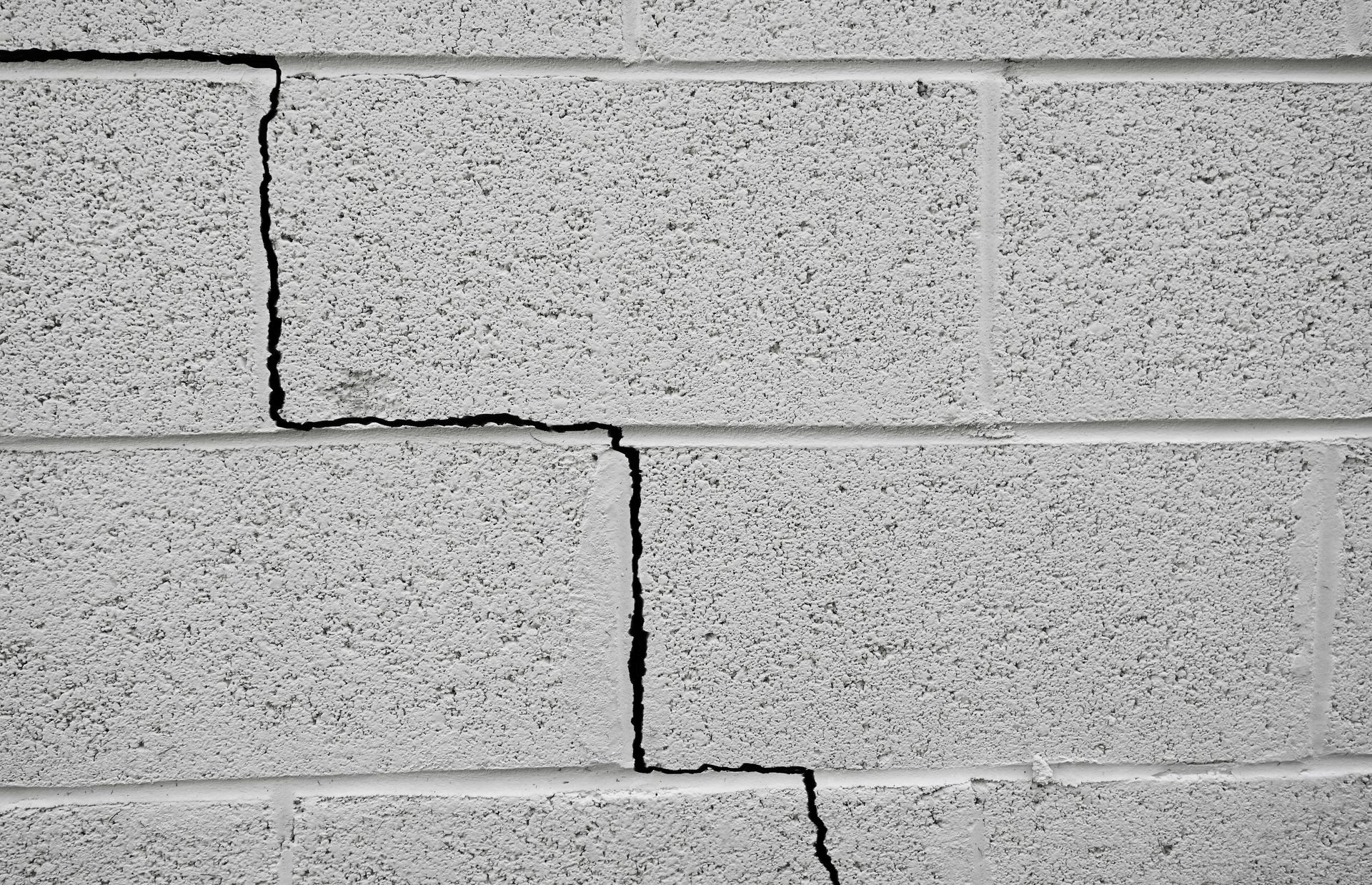
Cracks are one of the more visible signs that masonry may need attention. Small cracks can develop as materials age or respond to changes in temperature and moisture. Larger cracks, widening gaps, or cracks that continue to spread may point to a more serious issue that deserves a closer look. Cracked mortar joints can also affect the appearance and condition of masonry. When mortar begins to deteriorate, water may have more opportunities to enter the surrounding material. Seeking professional help can provide a better understanding of whether the damage is limited to the surface or connected to a larger concern. Early masonry repair may also help prevent a minor problem from becoming more extensive.
Watching for Shifting and Settling
Changes in the position of masonry can be another sign that repairs are needed. Uneven surfaces, leaning sections, or gaps between masonry elements may indicate movement over time. These changes can occur in several areas around a property, including walkways, patios, stairs, foundations, and retaining walls. Settling does not always mean that a major structural problem is present, but it should not be ignored. A professional evaluation can help identify the condition of the affected area and determine what type of attention may be appropriate. Looking at the surrounding masonry can also provide useful information about whether the issue is isolated or part of a broader pattern.
Inspecting Chimney Changes
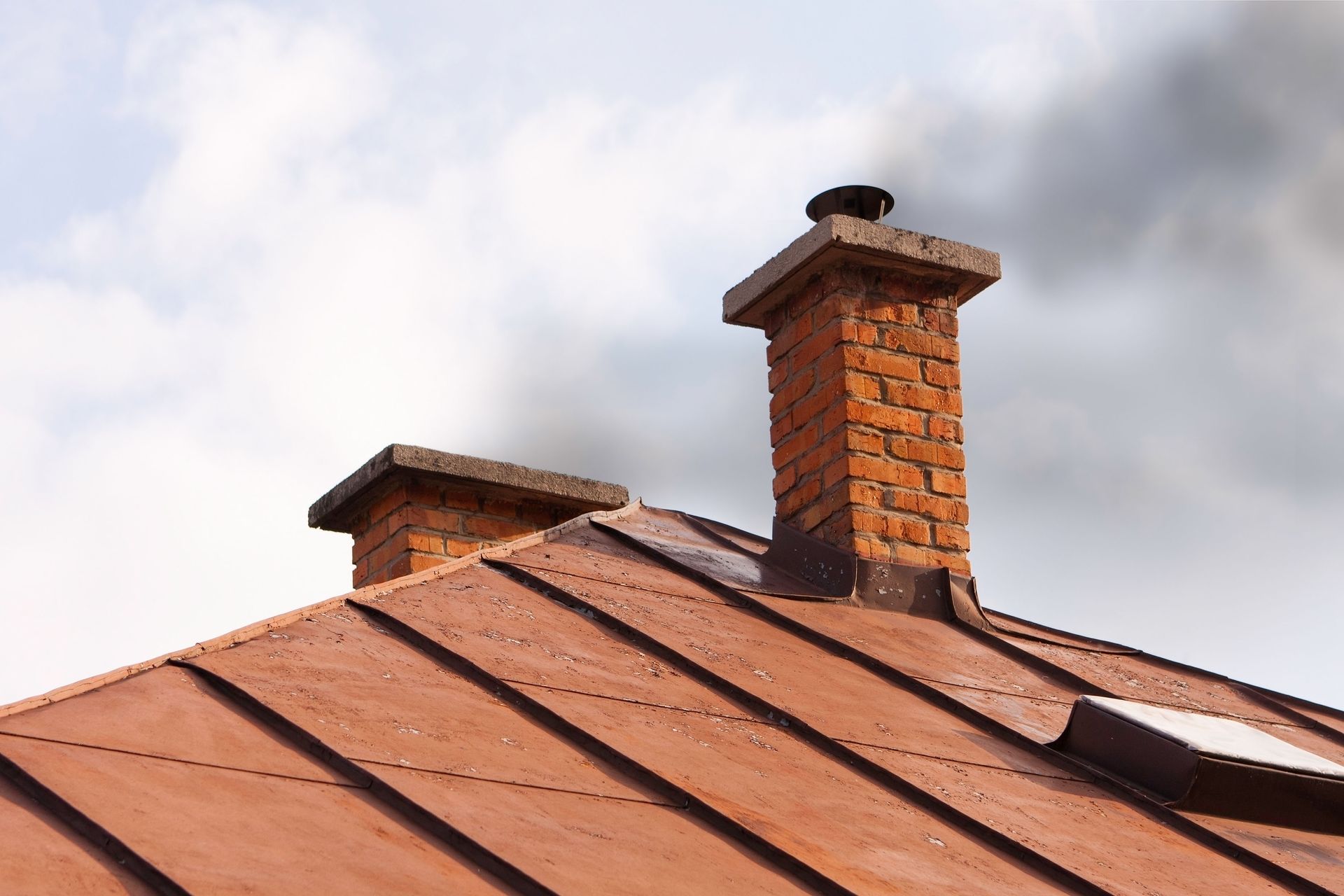
Chimneys are exposed to rain, snow, temperature changes, and other outdoor conditions throughout the year. Over time, these conditions can contribute to cracked mortar, damaged masonry, loose materials, or other visible changes. Water entering through damaged areas can also contribute to further deterioration. According to Down to Earth Products, chimney repair is often more common in older homes, especially those over 50 years old. Age can affect many parts of a chimney, particularly when materials have experienced years of changing weather conditions. If a chimney shows visible cracks, loose sections, deteriorating mortar, or other changes, seeking professional help can provide a clearer understanding of its condition.
Examining Patio Damage
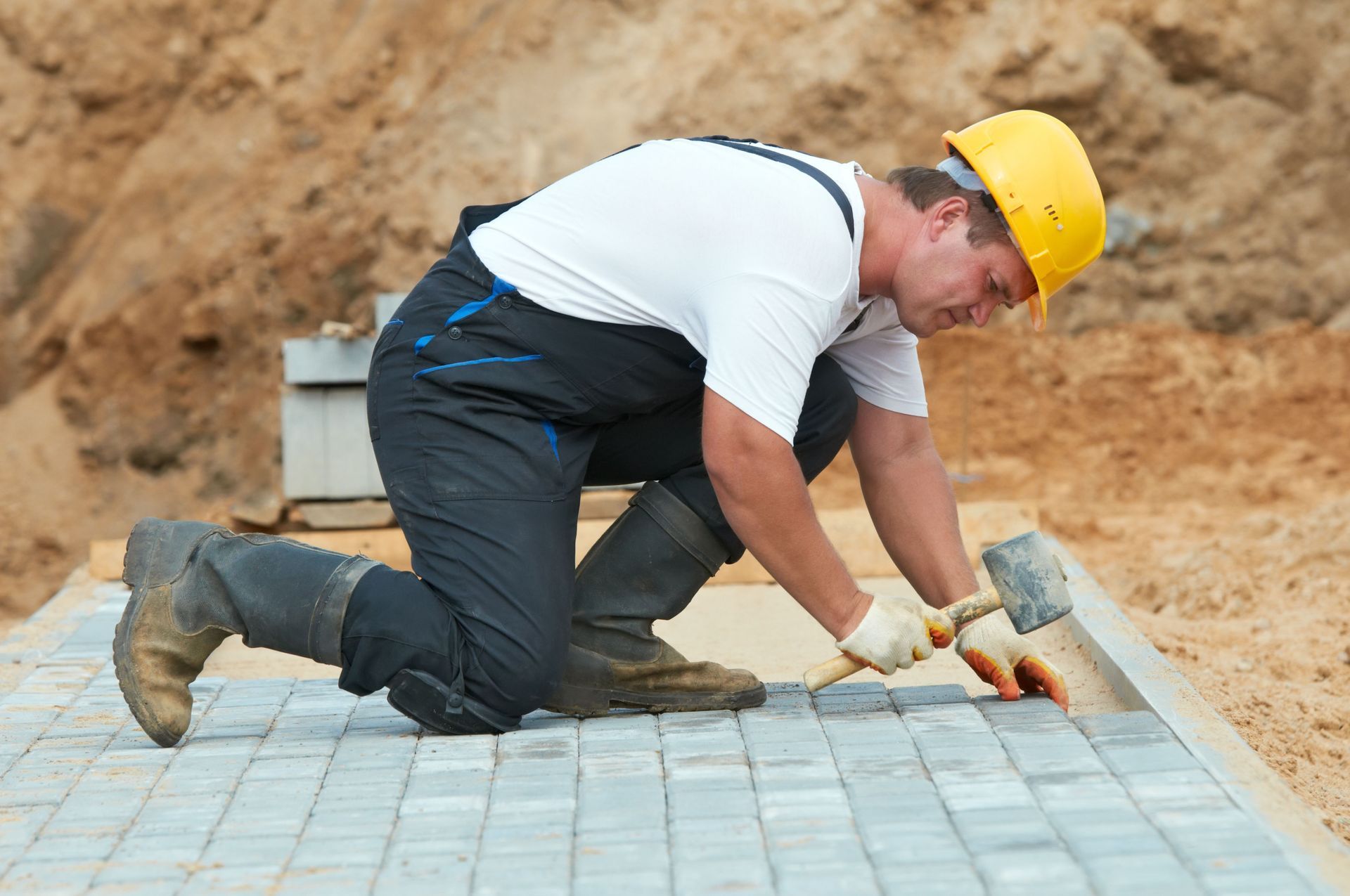
Patios experience regular foot traffic and repeated exposure to outdoor conditions. Over time, individual stones, bricks, or other masonry materials may crack, shift, loosen, or become uneven. Water can also affect joints and surrounding materials, particularly when drainage conditions allow moisture to remain around the surface. Changes in a patio may first appear as small gaps or uneven sections. Larger areas of movement or damage can make the surface less comfortable to use and may allow additional deterioration to develop. Professional masonry repair can address damaged areas while taking the overall condition of the patio into consideration. A closer evaluation can also help identify whether the problem involves individual materials, joints, drainage, or movement beneath the surface.
Recognizing Stair Wear
Stone stairs need to remain stable and properly positioned to provide a consistent path between different levels of a property. Cracked stones, loose sections, worn joints, or uneven steps can indicate that repairs may be needed. Changes in the position of one step can also affect how the surrounding steps function together. Visible wear can develop gradually, making it easy to overlook until the condition becomes more noticeable. Stairs should be evaluated when there are clear signs of damage, shifting, or deterioration. Seeking professional help can provide a better understanding of the condition of the stone and the surrounding structure. Masonry repair may help restore the condition of affected sections and address problems before they become more extensive.
Identifying Foundation Concerns
Foundation masonry plays an important role in supporting a home. Cracks in foundation walls can develop for different reasons, including settling, moisture, soil movement, and changes in surrounding conditions. Not every crack indicates the same concern, so its location, size, direction, and progression can be relevant. Water intrusion, widening cracks, or noticeable foundation changes should receive professional attention. A professional assessment can help determine what may be causing the issue and what type of masonry repair may be appropriate. Seeking professional help can also clarify whether other sections of the foundation should be reviewed and provide a better understanding of the problem before repairs are considered.
Observing Walkway Changes
Walkways can change as materials age and surrounding ground conditions shift. Cracked stones, loose masonry, uneven sections, and deteriorating joints can all affect the condition of a walkway. Water and seasonal temperature changes may also contribute to gradual wear. A walkway that no longer has an even appearance may need closer attention. Gaps between materials can allow moisture and debris to collect, while shifting sections can change the overall surface. Professional masonry repair can help address damaged portions and evaluate the surrounding area for related problems. Walkway issues are often easier to understand when the full surface is considered rather than looking at one damaged section alone. A professional can examine the materials, joints, and surrounding conditions to help determine what may be contributing to the changes. Seeking professional help can also clarify whether the damage is limited or more widespread.
Checking Retaining Wall Movement
Retaining walls help hold soil in place and can be affected by moisture, soil pressure, drainage, and gradual movement. Signs of concern may include cracks, leaning, bulging, separated sections, or noticeable changes in the wall's position. These conditions can develop slowly and may become more visible over time. Water management is an important part of retaining wall performance. When water collects behind or around a wall, it can contribute to pressure and movement. If a retaining wall shows visible changes, seeking professional help can provide a closer evaluation of its condition and surrounding factors. Masonry repair for a retaining wall may involve addressing damaged masonry, deteriorated joints, movement, or other conditions identified during an evaluation. The appropriate approach depends on the wall's materials, condition, and the factors affecting it. Addressing visible changes early can provide more information about the wall before damage progresses.
Responding to Visible Deterioration
Not every sign of masonry damage appears as a large crack or obvious structural change. Discoloration, crumbling mortar, loose materials, surface deterioration, and repeated moisture exposure can also indicate that an area needs attention. These smaller changes may be easier to overlook, especially when they develop gradually. Regularly paying attention to the condition of masonry can help identify changes sooner. Chimneys, patios, stairs, foundations, walkways, and retaining walls all face different conditions, so the signs of deterioration may vary from one area to another. Seeking professional help can provide a more complete assessment when visible changes appear.
Addressing Problems Before They Grow
Masonry problems can become more complicated when damage continues without attention. A small crack, loose stone, or deteriorating joint may affect nearby materials as the surrounding area continues to experience weather and regular use. Addressing visible changes can provide an opportunity to understand the condition of the masonry and consider appropriate next steps. The right time for masonry repair depends on the location, type, and extent of the damage. Chimney concerns may involve aging and weather exposure, while foundation cracks may relate to movement or moisture. Patios, stairs, walkways, and retaining walls can each show different signs of wear. Seeking professional help can provide useful information about what is happening and whether repairs are needed.
Visible cracks, shifting materials, uneven surfaces, deteriorating mortar, and other changes can all be reasons to have masonry evaluated. Paying attention to these signs can help property owners better understand the condition of important masonry features around the home. Professional evaluation can also help distinguish normal aging from damage that may require attention. Whether the concern involves a chimney, patio, stone stairs, foundation, walkway, or retaining wall, the condition of the surrounding masonry matters. Masonry repair can address specific areas of damage while providing a clearer understanding of the condition of the structure or surface. Contact Dedham Masonry & Hardscapes for professional masonry repair when you notice signs of damage around your home.