October 21, 2026
A sloped yard can look charming, but gravity never takes a day off. Rain, snowmelt, and shifting ground constantly push soil downhill, and without the right structure in place, that movement can wash out garden beds, undermine walkways, and even threaten your home's foundation. A well-built retaining wall holds that earth in place, turning an unstable hillside into level, usable space. However, building one that lasts takes far more than stacking stone or block along a slope. Hiring a skilled retaining wall builder ensures your structure can withstand the enormous forces at work beneath the surface. Below, we explore why professional expertise matters so much for soil control and how the right team can protect your landscape for years to come.
Understanding the Hidden Force Behind Sloped Soil
Most homeowners underestimate just how heavy soil can become. Dry dirt is dense on its own, but once it absorbs water from a heavy storm or spring thaw, its weight increases dramatically. According to This Old House, a retaining wall measuring 4 feet tall and 15 feet long may need to restrain up to 20 tons of waterlogged soil. That's an immense amount of pressure pressing against a structure every single day.
This force doesn't push evenly, either. Pressure builds toward the base of the wall, where the weight of the soil above accumulates, and it intensifies whenever moisture saturates the ground. A wall that looks sturdy on day one can start leaning, cracking, or bulging within a few seasons if its builder didn't account for these loads.
An experienced retaining wall builder understands how soil behaves and designs each structure to resist both the constant weight of the earth and the added stress of wet weather. They determine the proper wall thickness, base depth, and reinforcement needs so your wall stays upright instead of becoming a costly hazard. Tackling this kind of project without professional knowledge often leads to failures that put people, property, and landscaping at risk.
Designing Walls That Match Your Property's Needs
No two properties share the exact same terrain. The slope of your yard, the type of soil beneath it, and the way water moves across your land all influence what kind of wall will perform well. Heavy clay soils, for instance, hold onto moisture longer and expand more aggressively than sandy ground, while steep hillsides place greater pressure on any barrier at their base.
A knowledgeable retaining wall builder starts by evaluating these conditions on-site. They examine grade changes, note existing drainage patterns, and consider how you plan to use the space above and below the wall. Do you want a level lawn for the kids? A terraced garden? Room for a new patio? Each goal shapes the wall's height, placement, and construction method.
Taller walls typically demand additional engineering, such as reinforcement grids or tiered designs that split the load across several shorter walls. In our experience, many municipalities require permits and extra structural planning for walls taller than 4 feet. A professional retaining wall builder knows when these steps are necessary and handles them properly, so you don't end up with a wall that violates local codes or fails under pressure. Thoughtful design at the start saves you from expensive corrections down the road.
Managing Water Before It Becomes a Threat
If soil weight is the steady opponent of every retaining wall, water is its most aggressive one. When rain soaks the ground behind a wall, it creates hydrostatic pressure, a forward push that can crack mortar, shift blocks, and eventually topple the entire structure. Many walls fail not because their materials were weak, but because nobody gave water a way to escape.
Proper drainage is one of the most important elements a retaining wall builder brings to your project. Professionals install layers of gravel backfill behind the wall, allowing water to filter downward rather than pool against the stone or block. They also incorporate perforated drain pipes at the base and weep holes along the face of the wall, creating clear pathways for moisture to exit.
These features stay hidden once the project wraps up, but they do some of the heaviest lifting. Without them, even a beautifully built wall can begin to bow after a single wet season. A skilled team also considers where the escaping water will go, directing it away from your home's foundation, walkways, and neighboring properties. This careful planning keeps your landscape stable and prevents one problem from simply turning into another somewhere else on your lot.
Choosing Materials That Stand the Test of Time
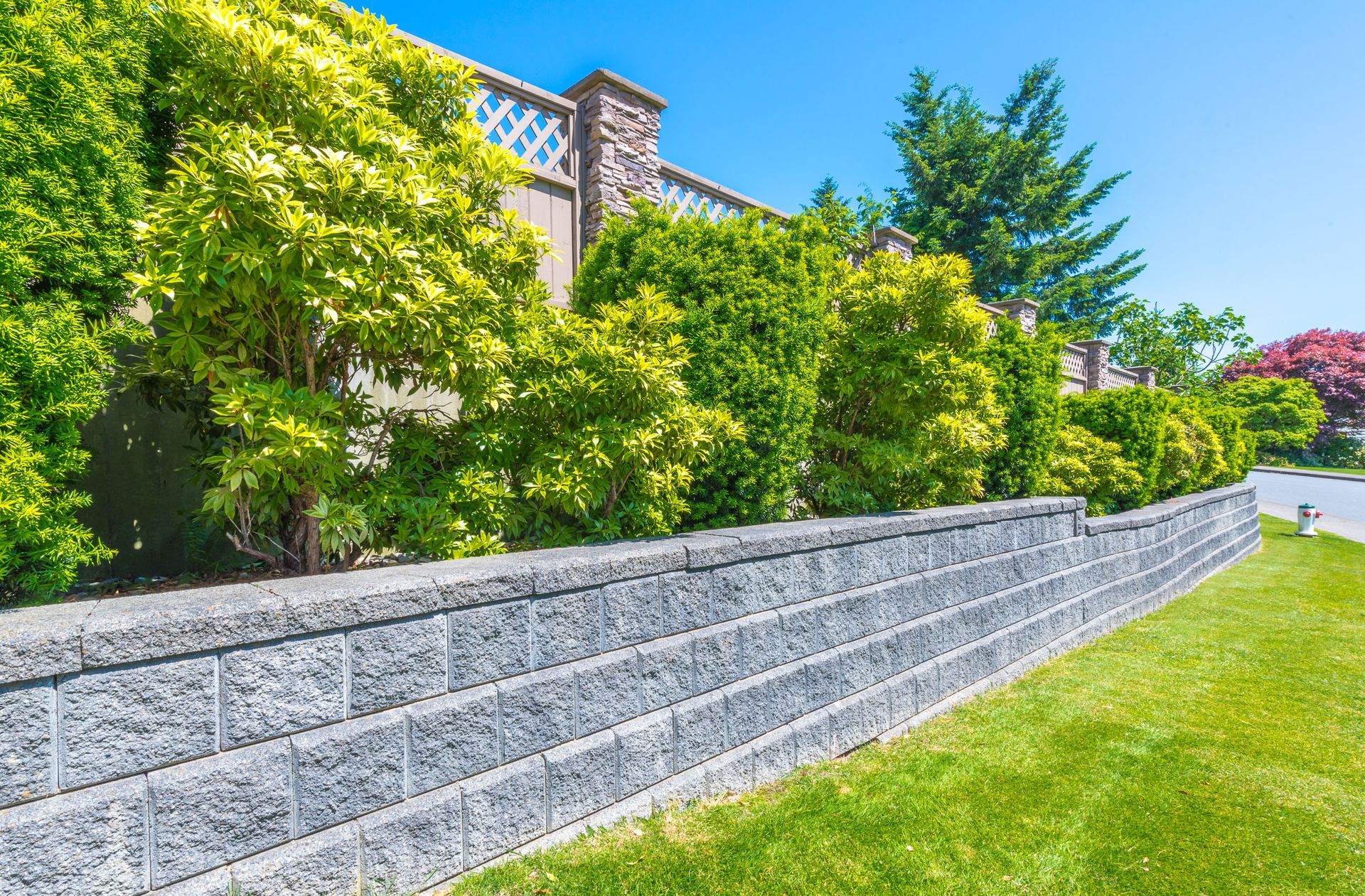
The materials you choose affect both how your retaining wall performs and how it looks for years to come. Two of the most popular options are cinder block and natural stone, and each offers distinct advantages.
Cinder block walls deliver consistent strength and reliable alignment. Because manufacturers produce these blocks with exact dimensions, they create clean lines, stack predictably, and work well with modern drainage systems. They're a cost-effective choice for properties that need dependable structural support.
Natural stone walls, on the other hand, offer timeless character. Every stone features its own texture, shape, and color, giving the finished wall an organic look that blends beautifully into mature landscapes. Building with natural stone requires a high level of craftsmanship, since each piece must fit securely with its neighbors to create a stable, load-bearing structure.
A seasoned retaining wall builder can walk you through the pros and cons of each material based on your site conditions, budget, and design preferences. They'll also make sure your chosen material suits the wall's height and the amount of soil it needs to hold back. Picking materials based on looks alone can result in a wall that isn't up to the job, so expert guidance makes a real difference.
Catching Problems Before They Become Failures
Even well-constructed walls endure years of freeze-thaw cycles, heavy storms, and shifting soil. Over time, this wear and tear can take its toll, which is why knowing the warning signs of trouble matters.
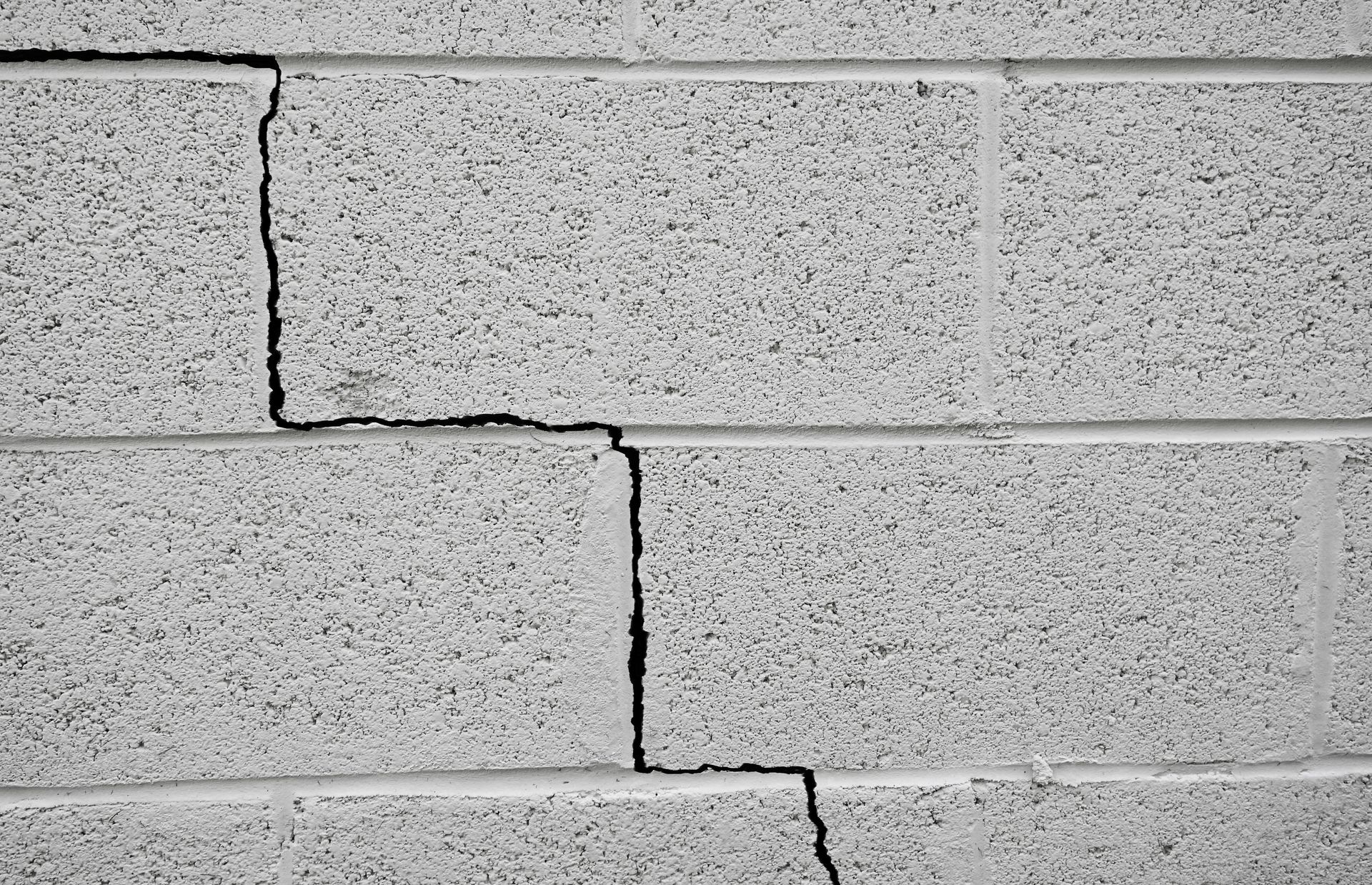
Keep an eye out for tilting or bowing near the middle of the wall, which often signals that soil pressure has become too intense. Cracks running through mortar joints or gaps forming between blocks also deserve attention, since these openings let moisture seep in and speed up deterioration. Soil washing over the top of the wall or pulling away from its base is another clear sign that the ground is moving out of place.
When you spot these issues, calling a retaining wall builder right away can mean the difference between a straightforward repair and a complete rebuild. Professionals identify the root cause of the damage, whether it's failed drainage, an inadequate base, or deteriorating materials, and then restore the wall's structural integrity. Waiting too long allows small problems to grow, putting nearby landscaping, hardscapes, and even your home at risk. Prompt professional repairs keep your wall doing its job season after season.
A retaining wall does far more than add visual interest to your yard. It holds back tons of earth, manages water, and protects everything built around it. Because the stakes are so high, choosing an experienced retaining wall builder is one of the smartest decisions you can make for your property. From careful site evaluation and drainage planning to thoughtful material selection and timely repairs, professional work keeps your landscape stable and safe.
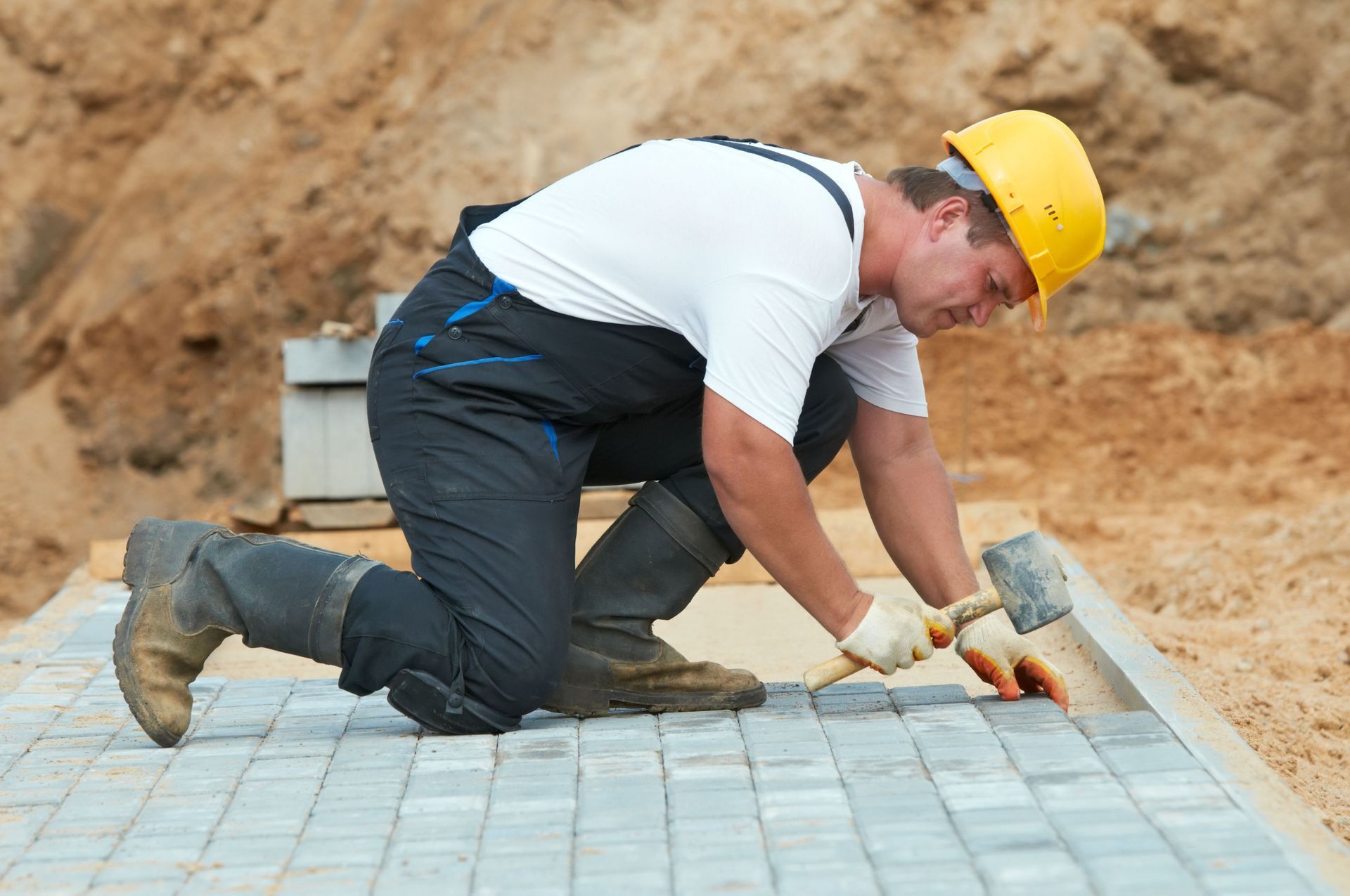
Are you ready to take control of your sloped yard? At Dedham Masonry & Hardscapes, we bring over 15 years of experience to every project as your local retaining wall builder. Our licensed and insured team handles cinder block wall installation, stone retaining wall installation, and retaining wall repair, and we back our work with guaranteed warranties of up to four years. We offer free estimates and on-site consultations, and our bilingual team speaks both English and Spanish. Contact us today to get started on a wall built to last!