August 26, 2026
The physical environment of a business plays an important role in attracting customers, supporting employees, and shaping perceptions of the brand. From the entrance and exterior façade to interior walls and gathering spaces, thoughtful design can make a property feel more welcoming and professional. Masonry materials such as brick, stone, and concrete combine visual appeal with practical durability, making them suitable for many commercial environments. Working with an experienced masonry contractor can help businesses select materials and design features that complement the property while meeting structural and functional requirements. When carefully planned, masonry can provide long-term value while creating spaces that customers and employees enjoy using.
Understanding the Basics of Masonry in Business Design
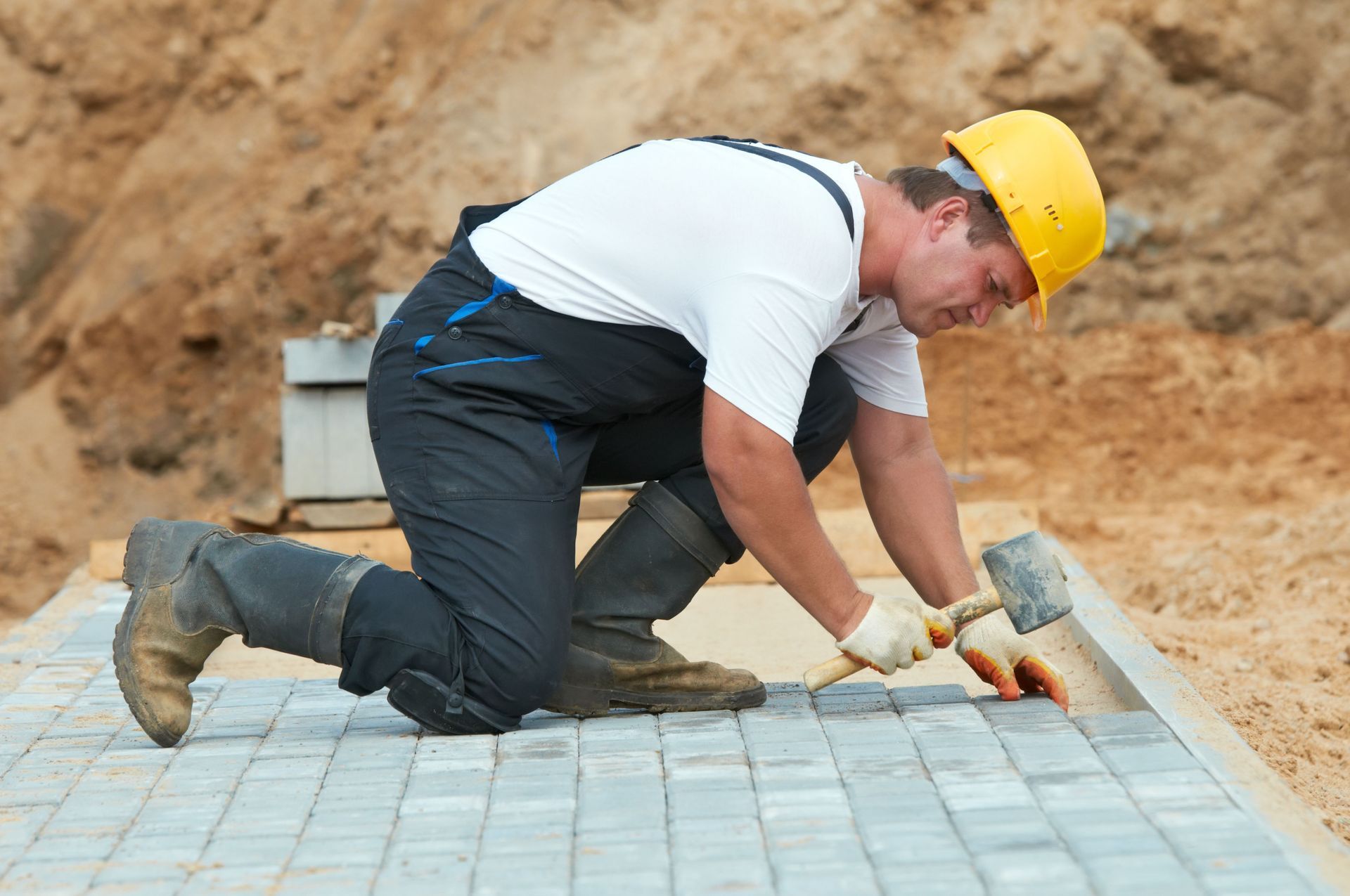
Brick, stone, concrete block, and manufactured masonry products offer businesses a broad range of textures, colors, shapes, and finishes. Rustic stone can create a warm atmosphere for a café or lodge, while clean brickwork or polished concrete may complement a contemporary office or retail property. According to Verified Market Reports, nearly 60% of commercial facilities now include decorative hardscape installations such as walkways and façade features to improve exterior appeal and functionality. Businesses can use these materials strategically to reinforce architectural character and create a recognizable visual identity.
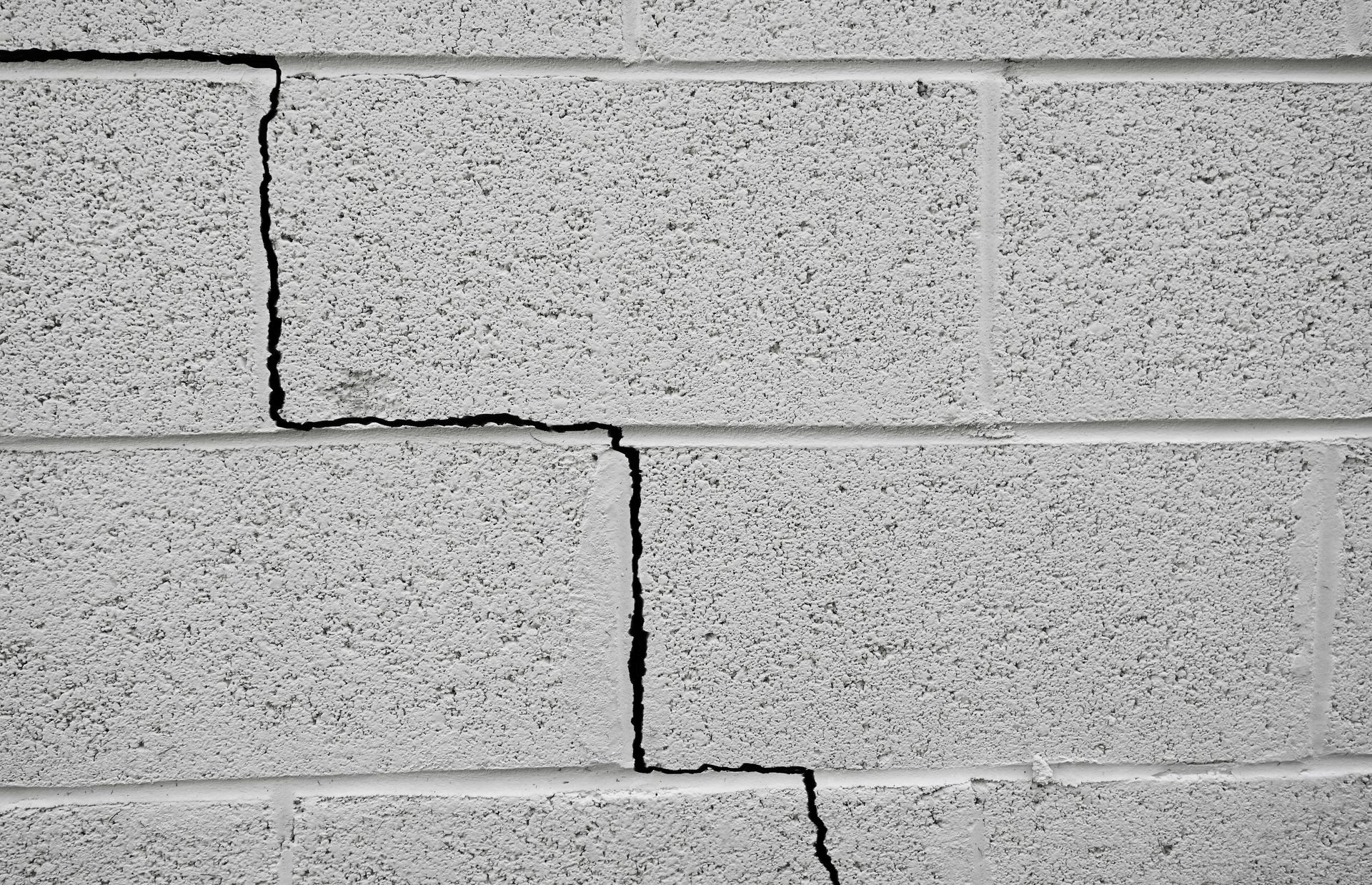
Durability is another important advantage. Properly installed masonry can withstand changing temperatures, precipitation, sunlight, and routine commercial activity. Periodic cleaning, inspection, sealing, and repairs can help preserve both appearance and structural performance. A masonry contractor can also evaluate existing surfaces for cracks, deteriorated mortar, moisture problems, or other concerns before they become more extensive. This preventive approach can reduce unnecessary repairs and help commercial properties maintain a polished appearance over time.
Improving Exterior Curb Appeal
A business exterior often creates the first impression customers have of the organization. Brick façades, stone columns, decorative walls, and masonry entrances can make a property appear established and carefully maintained. These features can also help distinguish an entrance from surrounding structures, making it easier for visitors to identify where they should enter. When masonry complements the architecture, signage, landscaping, and surrounding environment, it can contribute to a cohesive appearance rather than functioning as an isolated decorative element.
Landscaping provides additional opportunities for masonry integration. Walkways, retaining walls, raised planting areas, seating walls, and borders can connect natural and architectural features throughout the property. These additions can help organize outdoor areas while directing pedestrian traffic and supporting accessibility. A masonry contractor can recommend materials that are appropriate for exterior exposure and anticipated traffic levels. Careful material selection is especially important for businesses in climates where freeze-thaw cycles, heavy rainfall, or intense sunlight can affect exterior surfaces.
Using Masonry to Strengthen Entrances and Signage
Entrances and signs are highly visible components of commercial properties, making them natural locations for masonry features. Stone or brick pillars can frame a doorway, while masonry monument signs can provide a substantial base for company names, logos, addresses, and directional information. Materials can be coordinated with the main building to create continuity throughout the property. Decorative patterns or contrasting masonry may also be used to highlight specific architectural details without overwhelming the overall design.
Lighting can further enhance these features after dark. Uplighting can emphasize stone textures, while carefully positioned fixtures can illuminate walkways, signs, columns, and entrances. Combining lighting with durable masonry helps maintain visual interest beyond normal daylight hours while supporting visibility and safety. Businesses should consider electrical placement during the early design stages so wiring and fixtures can be incorporated without unnecessary modifications after construction.
Enhancing Interior Customer Areas
Masonry is not limited to exterior construction. Interior brick walls, stone accents, fireplaces, columns, and decorative concrete surfaces can add texture and character to reception areas, restaurants, stores, hotels, and offices. Exposed brick may provide a relaxed or historic appearance, while smooth stone installations can create a more refined atmosphere. The best material depends on the brand, building architecture, customer expectations, and intended use of the space.
Interior masonry can also create focal points that guide attention toward important areas. A stone feature wall behind a reception desk, for example, can visually define the entry area, while brick accents may distinguish dining spaces or product displays. Businesses planning these features should consider dimensions, lighting, furniture placement, and surrounding finishes before construction begins. Consulting a masonry contractor during the planning process can help ensure decorative ideas remain practical and compatible with existing structural conditions.
Supporting Functional Commercial Spaces
Effective commercial design requires more than attractive finishes. Materials must support the way employees, customers, equipment, and merchandise move through the property. Masonry can be used for partitions, outdoor seating areas, loading-zone features, retaining structures, protective barriers, and other practical applications. In busy environments, durable surfaces may be particularly valuable because they can tolerate routine wear while requiring relatively straightforward maintenance.
Masonry can also contribute to acoustic management in certain applications. Dense materials can influence the way sound travels through a space, although complete acoustic control typically requires a combination of materials and design strategies. Restaurants, offices, educational facilities, and hospitality properties should evaluate sound alongside lighting, ventilation, accessibility, and traffic flow. Considering these factors together produces a more comfortable environment than focusing exclusively on visual appearance.
Balancing Cost With Long-Term Value
Budget is an important consideration for any commercial improvement. Natural stone and extensive custom masonry can require a substantial initial investment, while brick, concrete masonry units, veneers, and selective accent installations may offer alternatives at different price points. Instead of covering an entire property, businesses can concentrate materials around high-impact areas such as entrances, reception spaces, patios, signs, or customer gathering areas.
Long-term maintenance should be included when comparing project costs. A less expensive material may not provide the best overall value if it requires frequent replacement or extensive upkeep. Conversely, a well-planned masonry installation may remain functional and visually appealing for many years. A masonry contractor can help property owners compare options based on installation requirements, maintenance expectations, exposure conditions, and intended use rather than evaluating materials solely by their upfront price.
Incorporating Sustainability Into Masonry Design
Sustainability has become an increasingly important consideration in commercial construction and renovation. Masonry materials can support environmental goals through durability, thermal mass, long service life, and opportunities to source certain products locally. Reusing existing brick or stone may also reduce the amount of material sent to landfills during renovation projects. Businesses should evaluate the complete life cycle of products when determining which materials align with their sustainability objectives.
Adaptive reuse is another valuable strategy. Existing masonry buildings can sometimes be renovated for new commercial purposes while retaining historic walls, façades, fireplaces, or architectural details. Preserving usable components can maintain a property's character while reducing the need for complete demolition and reconstruction. Successful adaptive reuse requires careful evaluation because older masonry may need repointing, moisture management, structural reinforcement, or specialized restoration before it can reliably support modern business operations.
Choosing the right masonry contractor is equally important because workmanship influences appearance, durability, and long-term performance. Businesses should discuss project scope, materials, scheduling, maintenance expectations, and site conditions before construction begins. Thoughtful coordination between the property owner and construction professionals can transform masonry from a simple building material into an important part of the customer experience. With appropriate planning and maintenance, masonry can help create a welcoming commercial environment that remains attractive, practical, and distinctive for years to come. Contact our team at Dedham Masonry & Hardscapes today and learn more about our masonry services.